Plant in Hands: A Designer’s Review for Branded Merchandise
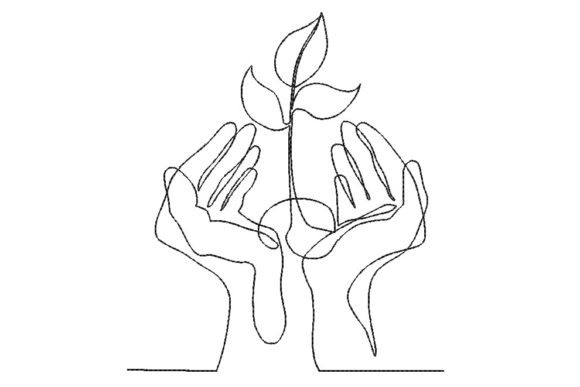
As an embroidery designer who regularly selects artwork for small business merchandise and branded patches, I immediately see the potential in the Plant in Hands embroidery design. The title and description suggest a simple, fresh, and cute motif, which is precisely the kind of visual many growing brands seek. This review will analyze its application from a commercial, not just decorative, perspective—focusing on how it can function as a vital asset for cafes, boutiques, studios, and handmade shops.
First Impression: Visual Personality for Business
The immediate feel of Plant in Hands is friendly and handmade, with a touch of rustic charm. It leans more toward playful and approachable than starkly modern or corporate. This is a significant advantage for businesses built on personal connection, like bakeries, florists, pet brands, or creative studios. The design conveys care and growth—thematically aligning with brands that value sustainability, creativity, or wellness. For a professional presentation, it sits comfortably in the "premium-casual" space; it feels intentional and artful without being overly formal.
Real-World Business Applications
This machine embroidery design is not just for pillows and t-shirts. Its clean, contained composition makes it exceptionally versatile for core small business merch and branding elements.
Primary Uses for Brand Identity
- Embroidered Patches: This is a standout application. The design’s likely moderate detail and clear focal point make it ideal for a sew-on or iron-on patch. These patches can be applied to aprons in a bakery, tote bags sold in a boutique, or even on the sleeves of work shirts for a gardening center. A patch elevates a simple item into branded merchandise.
- Uniform Accents: On staff uniforms or caps, Plant in Hands works beautifully as a chest logo or sleeve detail. Its friendly aesthetic reinforces a positive, customer-facing brand identity.
- Product Packaging & Labels: For handmade shops and Etsy sellers, embroidering this design onto small fabric tags or labels attached to products adds immense handmade product value and visual consistency.
- Tote Bags & Aprons: These are high-impact customer items. Embroidering Plant in Hands on a tote bag creates a desirable, reusable custom apparel piece. On an apron, it serves both as functional staff wear and a potential retail product.
Secondary Uses for Engagement
- Event Merchandise: For workshops, markets, or pop-up events, this design on limited-run hats or sweatshirts creates cohesive event merch.
- Customer Gifts & Loyalty Items: A small embroidered patch or pin featuring the design can be a powerful thank-you gift, enhancing customer trust and recognition.
Considerations and Careful Placement
While versatile, every embroidery file has optimal and less optimal applications. For Plant in Hands, success depends on mindful execution.
- Small Patch Sizes: If creating very small patches (under 2 inches), test the design first. Ensure the hand and plant details remain clear and don’t blend into a dense blob. Simple designs can sometimes lose definition at tiny scales.
- Cap Fronts & Curved Surfaces: Cap embroidery requires designs that can withstand distortion on a curved base. The likely circular or oval composition of this design should be tested on a cap mockup to confirm it sits well without awkward gaps.
- Dark Uniforms & Fabric Texture: On dark fabrics like black polo shirts, thread color contrast is critical. You may need to adjust suggested thread colors for maximum visibility. Also, test on the actual fabric texture you’ll use—a thick canvas tote bag versus a fine cotton shirt—as each requires different stabilizer and stitch density considerations.
- High-Wash Items: For aprons or work shirts that undergo frequent washing, a robust stitch construction is key. Confirm the design doesn’t have overly delicate single-line outlines that might degrade over time.
Impact on Brand Identity and Customer Perception
Using Plant in Hands cohesively across your design assets directly affects your brand’s perceived value.
- Professionalism & Trust: Consistent, quality embroidery signals attention to detail. A cleanly embroidered patch or uniform logo makes a business look established and reliable.
- Product Value: A handmade soap with an embroidered Plant in Hands tag, or a plain sweatshirt with this design, feels more premium and worth a higher price point than a blank item.
- Recognition & Engagement: A distinctive, friendly motif repeated on your apron, tote, and patch makes your brand visually memorable. It creates a story—of growth, care, nurturing—that engages customers emotionally.
- Handmade Presentation: For Etsy sellers and craft businesses, this design inherently supports a handmade, artisanal narrative, aligning perfectly with your shop’s aesthetic.
Practical Designer Notes Before Production
Before running this digital embroidery file on a hundred tote bags, follow these practical steps to ensure a flawless finished product.
- Test in Black and White First: Stitch a sample using only black thread on white fabric and white on black. This reveals the pure structure of the design, highlighting any potential issues with spacing or definition without color distractions.
- Verify Small-Scale Performance: As mentioned, stitch it at your intended smallest size (e.g., for a cap front or tiny label) to confirm readability.
- Review Thread Color Contrast: Evaluate the suggested or your chosen thread palette against your actual merchandise fabrics. Ensure there is sufficient contrast for the design to pop.
- Confirm Hoop Size & Stabilizer: While the product description doesn’t specify, you must check the file details for recommended hoop size. Then, match the appropriate stabilizer to your fabric—no stabilizer is a common cause of puckering and misstitches in commercial embroidery projects.
- Test on Real Fabric: Never rely solely on a digital preview. Stitch the design on a scrap of the exact fabric and item you’ll use (e.g., the canvas of your tote bag, the twill of your cap).
- Create a Printable Mockup for Client Approval: If you’re an embroidery shop producing for a client, generate a mockup showing the design on their chosen item. This prevents miscommunication and ensures alignment on placement and size.
- Compare Beside Other Brand Assets: Place the embroidered sample beside your logo, other graphics, or packaging. Does Plant in Hands complement your visual identity consistently?
- Confirm Commercial Licensing: This is paramount. Before using the design for any business merchandise or patches, verify the license terms of the digital embroidery file. Ensure it permits commercial embroidery use for the products you intend to create and sell.
In summary, Plant in Hands presents a compelling, thematic option for businesses wanting to infuse their merchandise with a sense of friendly, handmade care. Its strength lies in its versatility for patches, uniforms, and branded accessories. By applying the practical design notes above, you can leverage this Single Flowers category embroidery design to enhance your brand’s identity, increase product value, and create cohesive, engaging merchandise that resonates with your community.