A Craft Fair Vendor's Review of the Elephant Applique Design
As a professional embroidery designer preparing for a weekend craft fair, my first task is to review potential designs with a critical eye for what truly sells on the table. Today, I'm evaluating An Elephant Near the One Applique, a machine embroidery design described as perfect for personalized gifts and children's apparel. My review is focused on real-world application: how this design performs on physical products, what catches customer attention, and the practicalities of turning a digital file into profitable handmade products.
First Impression: Cute, Soft, and Giftable
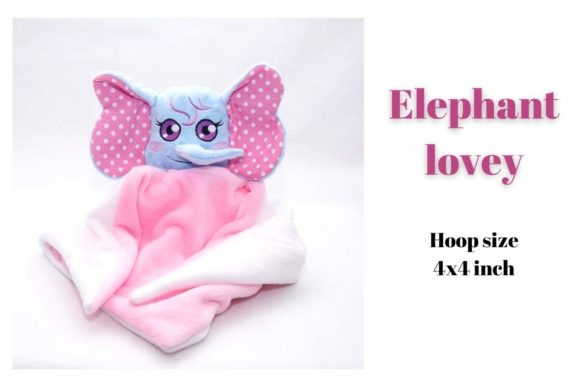
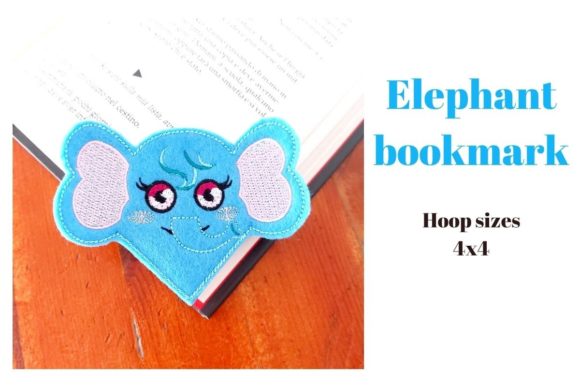
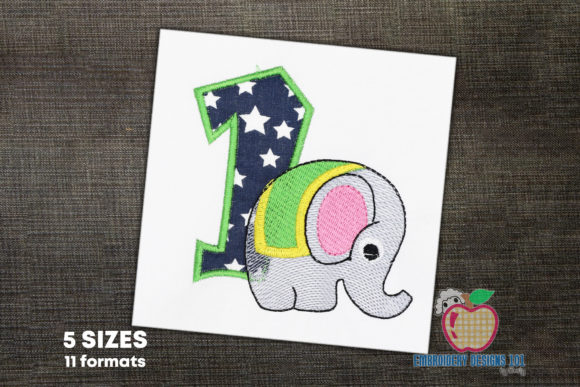
The title immediately suggests a gentle, friendly character. "An Elephant Near the One Applique" evokes a sense of companionship and simplicity. This design leans strongly into the cute and soft aesthetic, which is a perennial winner in the handmade market, especially for items targeting children or as heartfelt gifts. It doesn't feel bold or minimalist; instead, it promises a decorative, approachable charm that aligns well with a rustic or farmhouse-inspired booth theme. The word "Applique" in the title is a practical clue—it suggests layered elements, which can add a lovely textured, premium feel to the finished product, boosting perceived value.
Product Performance: Where This Elephant Shines
My booth display will feature tote bags, aprons, tea towels, caps, patches, pouches, and pillow covers. The key is matching the design's mood to the right product.
Top Tier Products for Maximum Appeal
For An Elephant Near the One Applique, I envision standout success on specific items:
- Tote Bags & Market Bags: This design feels ideal for a medium-sized placement on a canvas tote. The cute elephant acts as a focal point, making the bag feel like a special, giftable item rather than just utilitarian.
- Children's Apparel & Pillow Covers: Aligning with its description, this embroidery would be charming on a child's sweatshirt or a nursery pillow. The soft theme translates perfectly here.
- Fabric Pouches & Small Gift Items: A smaller version on a zippered pouch or a handkerchief creates an affordable, irresistible impulse buy at the fair.
- Tea Towels & Aprons: In the kitchen category, this design adds a whimsical, personal touch. On an apron, it becomes a conversation starter about family or favorite animals.
Products Requiring Careful Application
Some applications need extra planning:
- Embroidered Patches: If the design has very dense stitch areas or tiny details, converting it into a patch might lose clarity. It's crucial to test at a small size first.
- Caps & Curved Surfaces: The curved brim of a cap can distort designs. The applique elements here would need a robust stabilizer to look sharp.
- Dark Fabrics: The chosen thread colors must offer strong contrast against navy or black backgrounds to maintain the design's cute visibility.
Practical Selling & Production Points
Turning a digital embroidery file into a craft fair product requires a business-minded approach.
Visual Clarity & Batch Production
An Elephant Near the One Applique seems easily understood at a glance—an elephant motif is universally recognizable and emotionally positive. This is vital for a busy fair where customers decide in seconds. For batch production, the design's repeatability depends on its stitch count and complexity. A design with moderate stitch density and a clear color palette allows for efficient hooping and stitching of multiple items, like a series of tote bags. I must advise: always check the provided embroidery file details for exact stitch count and hoop size recommendations before planning a production run.
Photography & Online Sales
For Etsy sellers and online listings, this design should photograph well. The cute, defined shapes will look clear in product photos, especially on light-colored fabrics. Creating a printable mockup for digital listings is a good start, but making at least one real physical mockup is non-negotiable. It reveals how textures like towel loops or bag weave interact with the stitches.
Critical Designer Notes for Success
Before this elephant hits my booth table, here is my essential checklist:
- Test on Scrap Fabric: Run the design on the actual materials I plan to use—canvas for bags, linen for towels, etc. This reveals any issues with stitch density or puckering.
- Check Thread Contrast: Experiment with thread colors against various fabric backgrounds to ensure the design pops, especially on textured tea towels.
- Review Spacing & Hoop Size: Confirm the design fits comfortably within a standard hoop size for my target products. Awkward sizing slows production.
- Inspect for Tiny Details: If the design includes small lettering (like "the One"), test if it remains legible at the size I intend to sell.
- Use the Correct Stabilizer: Applique elements often need firmer stabilization to keep edges crisp. Don't skimp here.
- Compare Fabric Colors: Make samples on light, medium, and dark fabrics to offer customers variety and see what sells best.
- Confirm Commercial Licensing: The description notes it comes with multiple formats for use. I must verify the license explicitly allows for commercial embroidery and selling finished products before I stitch anything for sale.
The Final Booth Display Impact
Incorporating An Elephant Near the One Applique into my product lineup strengthens my booth in specific ways. It adds a warm, wild animals category item that attracts buyers looking for gifts. Its cute appeal engages customers emotionally, often leading to stories about grandchildren or favorite animals, which boosts buyer engagement. When embroidered cleanly on high-quality items, it reinforces the perception of handmade quality and brand consistency. A well-made elephant tote bag displayed prominently can act as a strong visual anchor, drawing people to the table. Ultimately, this design’s value lies in its versatility and emotional resonance—keys to transforming a digital embroidery file into a profitable, physical craft fair product that finds a home with a happy customer.