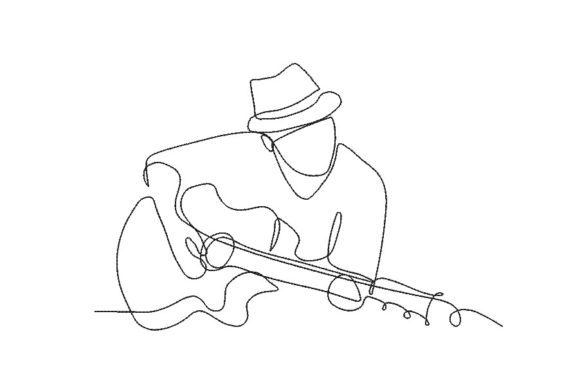
A Guitar Player Embroidery Design Review for Boutique Apparel
As an embroidery designer planning a new collection, I spend a lot of time looking for designs that carry a specific mood and translate seamlessly onto garments. When I saw the Guitar Player embroidery file on Creative Fabrica, it immediately stood out for its potential in the apparel space. This review is a practical assessment from the point of view of someone preparing to use it on sweatshirts, hoodies, and other boutique merchandise.
First Impression: Visual Mood and Decorative Strength
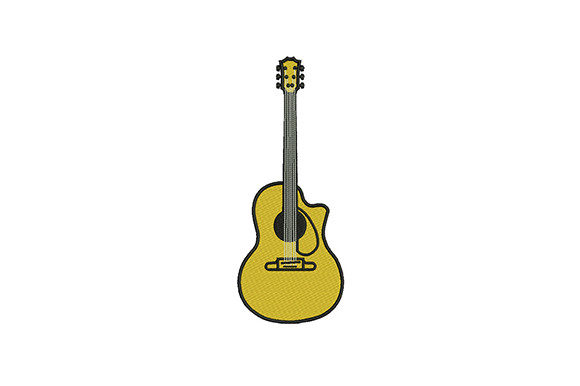
The Guitar Player design presents a simple, attractive silhouette. Its charm lies in its clean lines and uncomplicated form, which suggests it will stitch out with a crisp, defined edge. The visual personality leans towards classic and casual, with a touch of playful coolness. It doesn’t feel overly feminine, masculine, rustic, or overly bold—it sits comfortably in a versatile, trendy middle ground that can appeal to a wide audience. This neutrality is a huge advantage for boutique brands targeting diverse customers.
For a boutique apparel decorator, this level of detail is promising. It appears detailed enough to be interesting but not so dense that it becomes a stitching challenge on stretchy fabrics. It feels like a design that can elevate a basic garment without overwhelming it, which is key for creating premium-looking handmade products.
Planning a Collection: Apparel Applications and Placement
Imagine a small sweatshirt or hoodie collection for an online shop. Guitar Player could serve as a central motif. On a neutral heather gray sweatshirt, placed centrally on the chest, it would create an instantly recognizable, music-themed product. For a pastel hoodie, perhaps a soft lavender or mint, the design would offer a subtle contrast, adding character without being harsh.
Sweatshirt and Hoodie Embroidery Considerations
For chest placement on standard or oversized sweatshirts, the simplicity of Guitar Player is a benefit. It should occupy space effectively without requiring an excessively large hoop, but always confirm the actual hoop size requirement in the Creative Fabrica product details. On dark apparel, like black hoodies, the thread color contrast will be crucial; opting for a bright white or a metallic silver thread could make the design pop dramatically.
Beyond the chest, consider it for sleeve accents or as a larger back design on a cozy seasonal outfit. The design’s attractive nature means it could hold its own on a larger canvas. However, on curved surfaces like sleeves, careful stabilization and testing on similar scrap fabric is essential to prevent distortion.
Beyond Sweatshirts: T-Shirts, Bags, and Lifestyle Products
The product description mentions t-shirts, shirts, and bags, and I agree. On a classic cotton t-shirt, Guitar Player would stitch out perfectly as a left chest or center design. For tote bags, it becomes a fantastic branding element or a standalone decorative feature, enhancing the product’s value.
This versatility extends to merchandise photography. A well-embroidered sweatshirt with this design would look great in lifestyle product photos, printable mockups for Etsy listings, and social media graphics. Its clear, attractive silhouette makes for a professional presentation that builds buyer trust and visual consistency for your brand.
Practical Designer Notes for Commercial Embroidery
Before running this machine embroidery design on production garments, a few practical steps are non-negotiable.
- Test on Scrap Fabric: Always stitch out Guitar Player on a scrap piece of the exact fabric you plan to use—whether it’s fleece, ribbed knit, or standard cotton. This reveals how the stitch density interacts with the fabric texture.
- Stabilizer Choice: For stretchy sweatshirt material or fleece, a sturdy cut-away stabilizer is likely necessary. For less stretchy fabrics like tote bag canvas, a tear-away might suffice.
- Review Thread Contrast: Play with thread colors against your garment colors. Does a gold thread on a dark denim jacket feel premium? Does a pastel thread on a neutral garment feel cute?
- Inspect Placement Options: Hoop the actual garment and mark potential placements. Sometimes a design looks different when applied to a garment’s drape versus a flat mockup.
- Confirm Product Details: The Creative Fabrica listing provides essential information. Before selling finished apparel, confirm the licensing terms for commercial use, the included file formats for your machine, and any specifics about stitch count or recommended settings.
Where to Use Guitar Player Carefully
While this design seems straightforward, certain applications require extra attention. On very small chest placements (like on children’s apparel), ensure the design’s scale remains legible and attractive. On dense stitch areas—if any exist within the design—be mindful of puckering on lightweight t-shirts.
Stretchy fabric and ribbed fabric are the biggest challenges. Even a simple design can warp if not stabilized properly. For dark garments, thread choice is paramount; a poorly contrasting color can make the design disappear. Finally, avoid placing it on areas that will experience a lot of stretch or wrinkle, like directly across the side seam of a fitted t-shirt.
Adding Value to Your Brand and Products
Integrating a design like Guitar Player into your lineup can subtly affect your brand identity. It communicates a certain easygoing, creative vibe. For a music-themed collection or a brand wanting to tap into that aesthetic, it provides instant product recognition.
Well-executed embroidery signals quality to customers. A clean, precise stitch-out of this attractive design on a sweatshirt enhances the perceived value, supports professional presentation, and can boost customer engagement—people are more likely to share a product they love on social media. For Etsy sellers and small shop owners, this translates to better reviews and repeat business.
In essence, Guitar Player from Creative Fabrica is a versatile digital embroidery file that holds significant potential for custom apparel. Its simple, attractive nature makes it a reliable choice for decorators looking to add a cool, classic element to sweatshirts, hoodies, and a range of boutique products without venturing into overly complex or niche aesthetics. With proper testing and attention to fabric-specific details, it can become a staple in your collection for handmade products that resonate with buyers.