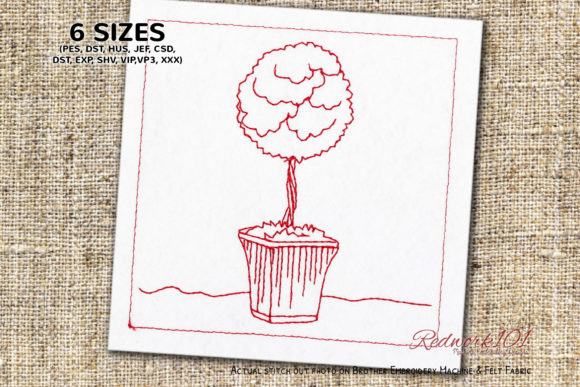
Chinoiserie Topiary Bluework: A Designer's Practical Review
As an embroidery designer planning new products for a personalized gift shop, I always test a design file thoroughly before offering it to customers. Today, I’m reviewing the Chinoiserie Topiary Bluework machine embroidery design, imagining how it would perform on real orders for baby blankets, wedding keepsakes, and kitchen towels. My goal is to see if this design has the charm and practicality to become a staple in a shop offering heartfelt, handmade products.
First Impressions: Elegance with a Handmade Soul
The moment I opened the preview for Chinoiserie Topiary Bluework, its mood was clear: classic, elegant, and quietly romantic. It doesn’t shout; it whispers a sense of serene beauty. The Chinoiserie style—with its stylized, artistic flora—brings an instant touch of sophistication. The “bluework” monochromatic palette suggests a timeless, almost heirloom quality. This isn’t a playful, cartoonish design; it’s one that feels crafted, thoughtful, and destined for a meaningful gift. The detail level appears intricate but balanced, offering visual interest without becoming overwhelmingly dense, which is perfect for creating an emotional connection with the recipient.
The Versatile Heart of a Personalized Gift Business
For shop owners and crafters, a design’s versatility is its currency. Chinoiserie Topiary Bluework, with its nature-inspired theme, opens doors to numerous product lines. Its elegance makes it a stunning candidate for wedding gifts: imagine it embroidered on a pillow cover for the newlyweds’ home or a delicate handkerchief. For baby embroidery and nursery decor, it brings a gentle, artistic flair to blankets, wall hangings, or personalized burp cloths—far from generic baby motifs.
- Home & Kitchen: Embroidered towels, aprons, and pillow covers become upscale, handmade kitchen or living room accents.
- Personalized Accessories: Tote bags and blanket embroidery transform simple items into cherished, custom keepsakes.
- Market & Digital Sales: For Etsy sellers and craft fair vendors, this design can anchor a whole collection. A well-photographed embroidered towel or pillow cover using this design elevates the perceived value of your entire shop. It’s also ideal for creating custom order previews and printable mockups for your customers.
This one embroidery file could serve baby product creators, wedding gift designers, and sellers of everyday luxury, making it a smart investment for a small shop product lineup.
Where Caution and Careful Testing Are Needed
Every beautiful design has its practical limits. Before running Chinoiserie Topiary Bluework on a customer’s item, I would consider a few scenarios where extra testing is crucial.
- Small Lettering or Delicate Details: If the design incorporates very fine lines or tiny elements (the description notes an optional box stitch with a different color), these might need adjustment on textured fabric or stretchy baby clothes.
- Fabric Choice: Thick towels or terry cloth require excellent stabilizer and possibly adjusted stitch density to prevent puckering. Conversely, dark fabric demands a thoughtful choice of thread colors for proper contrast—a light blue might not pop on navy.
- Product Durability: For items like aprons or kitchen towels that need frequent washing, a robust stitching approach is key to longevity.
- Curved or Small Surfaces: Hooping a small, curved item like a baby bib requires confirming the optimal hoop size for the design’s dimensions to avoid distortion.
The rule is simple: always test on scrap fabric that matches the final product’s material.
How This Design Elevates Your Gift Business
Beyond the stitch itself, Chinoiserie Topiary Bluework impacts the business side of handmade gifts. Its aesthetic directly boosts giftability. A customer seeking a meaningful present for a gardener, a new mother, or a friend with classic taste will immediately recognize its specialness. This increases the perceived value of your finished product, allowing for a fair price that reflects the handmade quality.
For customer trust and buyer engagement, offering such a refined design builds your reputation as a source for beautiful, lasting items. The emotional connection it fosters—linking to nature, art, and tradition—makes the gift story easy to tell in your Etsy listings or product descriptions. Furthermore, in product photography, a clean, elegant design like this photographs beautifully, making your online store look professional and appealing.
A Designer's Practical Embroidery Notes
Before loading this digital embroidery file for a real order, my checklist for any shop would include:
- Test Stitch on Scrap Fabric: Use the same material you plan to sell (cotton, linen, towel fabric) to check for any issues.
- Check Thread Color Contrast: Especially if moving from the pictured “bluework” to other colors for personalization.
- Confirm Hoop Size Compatibility: Ensure the design dimensions fit your intended product’s hooping area.
- Review Stitch Density: Look for any areas that might be too dense for delicate fabrics or too sparse for thick ones.
- Use Proper Stabilizer: Match the stabilizer type to the fabric weight and stretch.
- Compare Mockups: Create digital or stitched light and dark fabric mockups to see how the design translates.
- Inspect Small Details: After a test stitch, closely examine the smallest elements to ensure they are clear and intact.
- Confirm Licensing: Crucially, before selling any finished product, verify the commercial embroidery license terms for this specific design file. Never assume.
The product description mentions that some elements, like the box stitch color, may vary. This is a reminder to always study the specific design details and provider notes before proceeding with custom embroidery for clients.
Final Thoughts for the Handmade Seller
Chinoiserie Topiary Bluework strikes me as a design with significant potential for a personalized gift shop. It carries an emotional weight and aesthetic elegance that customers seek for special occasions. Its versatility across the Forest and nature theme makes it a smart, multi-use asset. However, its true success lies in the maker’s hands: in meticulous testing, thoughtful fabric pairing, and clear communication with customers about its handmade application. For the embroidery designer crafting a business around meaning and beauty, this design feels like a worthy thread to add to the tapestry.