The Button: A Simple Line That Makes Everything Better
A First Impression That Sticks
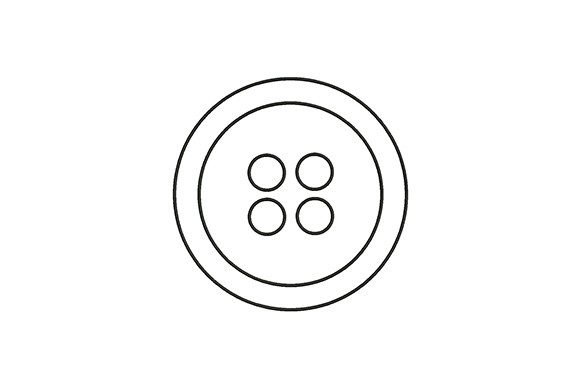
Let’s talk about that little button. The Shirt Button Line Art embroidery design has a quiet confidence that’s hard to ignore. It’s not shouting for attention with intricate flourishes or dense fill stitches. Instead, it relies on clean, continuous lines to create a shape we all recognize instantly. This simplicity is its greatest strength. It gives off a modern, slightly minimalist flair that feels both clever and effortlessly creative. The mood it creates is one of thoughtful design—a piece that whispers quality rather than screams novelty.
Where This Design Finds Its True Home
As a designer, I immediately picture this on a canvas tote bag, stitched neatly near the top hem. It’s the kind of subtle branding that makes a handmade product feel curated. For a crafter or small business owner, it’s a versatile asset. Think of it elevating a simple custom apparel piece: a single, perfect button embroidered on the cuff of a linen shirt or the pocket of a chambray dress. It translates beautifully to baby embroidery on a knit cardigan—a sweet, non-overwhelming detail. For holiday gifts, imagine a set of tea towels each adorned with this motif; it’s a cohesive, giftable look that feels special without being overly thematic.
It’s a natural fit for embroidered patches, too. That clean line art means it will remain crisp even when applied to a cap or a backpack. For an Etsy seller creating boutique kitchen aprons or pillow covers, this design adds a signature touch that doesn’t compete with the fabric’s pattern. It’s the perfect bridge between a personal project and a small shop product.
Real-World Stitching: Practicality Meets Personality
When you run this machine embroidery design on actual fabric, its performance hinges on its simplicity. Because it’s likely composed of running stitch or simple satin stitch outlines, the stitch density should be manageable. This means less bulk, which is a gift when working on thinner fabrics like a fine cotton t-shirt or a delicate baby embroidery item. On a sweatshirt embroidery project, it will sit nicely without creating a stiff, heavy area that might irritate the wearer.
However, that simplicity demands precision. On textured fabrics like a wool-blend blanket or a linen tote, you need to consider your stabilizer choice carefully to keep those smooth lines from getting lost in the weave. On dark fabric backgrounds, the design’s appeal is entirely dependent on thread color contrast. A bright white or a metallic silver thread will make it pop with that chic, line-art look, while a low-contrast choice might render it invisible.
The Curves and Corners Where Caution is Needed
While versatile, there are places I’d approach with a designer’s caution. The design’s success on curved surfaces, like the crown of a cap, depends entirely on the file’s construction. If the corners of the button shape are very tight, they might pucker on that curve without proper stabilization and hooping technique. Similarly, if you’re scaling it down for a very small hoop size—perhaps for a tiny charm on a baby’s bib—you need to verify that the detail remains clear. Those fine lines could blur if minimized too much.
For products destined for frequent washing—like kitchen towels or everyday custom apparel—the durability of the stitch is key. A simple line design with proper thread and stabilizer should hold up well, as there aren’t large fill areas that can catch and pull. This reliability builds customer trust in your handmade product.
Turning a Design Into a Business Asset
For the creative entrepreneur, this isn’t just a cute file; it’s a design asset. Its visual clarity translates directly into product value. A tote bag with this clean embroidery looks more professional than one with a cluttered, overly complex motif. That polished presentation enhances your brand consistency if you use it across a line of products. In printable mockups for your online shop, it presents as a recognizable, stylish element that can boost buyer engagement.
As a digital embroidery file, its “easy to stitch” nature, as mentioned in the description, means it’s a low-friction option for both hobbyists and professionals. This ease translates into faster turnaround for commercial embroidery projects or craft fair inventory. The fact it comes with multiple embroidery file formats (a crucial detail to confirm with the seller) means wider machine compatibility, which is essential for anyone running a craft business.
Your Designer Checklist Before Hooping
Before I commit this to a client’s project or my own shop merchandise, my process is always the same. First, I test the design on scrap fabric—the actual fabric I plan to use. This reveals how it handles the specific fabric texture. I check the stitch density by feel and sight; is it too sparse or too tight for my substrate? I run it in both light and dark fabric backgrounds to see the contrast effect.
I inspect the small details, especially where the lines meet, for any potential jump stitches or awkward transitions. Crucially, I confirm licensing before selling finished items. The description doesn’t specify license terms, so that’s a mandatory step. Is it for personal use only, or does it allow for commercial embroidery and selling the physical products I make? Never assume.
The Shirt Button Line Art design, in the end, is a reminder that good design often speaks softly. It’s a versatile, charming tool for the maker’s toolkit. With practical testing and thoughtful application, it can become the signature detail that makes your personalized gift, your boutique branding, or your next embroidery project feel quietly, confidently complete.