The Heart in Zen Art Doodle: A Real-World Review
A First Impression of Friendly Simplicity
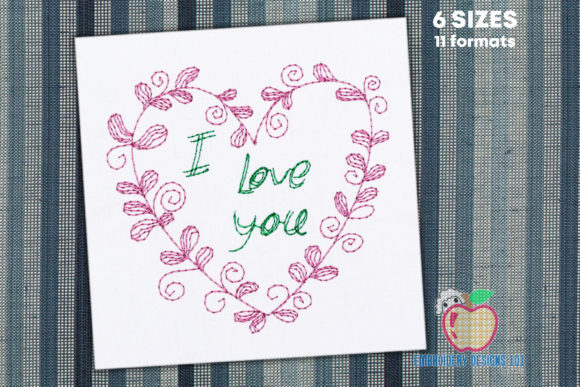
When you first look at the Heart in Zen Art Doodle Quick Stitch, its charm is immediately clear. It isn't a dense, formal heart; it's a sketchy, almost doodled outline that feels playful and relaxed. The mood it creates is gentle and modern—a little bit whimsical, a little bit thoughtful. This isn't a design shouting "Valentine's Day" with loud, traditional flair. Instead, it whispers a message of casual affection, mindfulness, or simple joy. That visual personality makes it wonderfully versatile. I instinctively thought of it not just as a holiday design, but as an everyday accent for someone who prefers a lighter, less cluttered aesthetic.
Where This Design Finds Its Perfect Home
This embroidery file feels destined for projects where a soft, handmade touch is the goal. Imagine applying it to a linen tote bag for a boutique—it adds character without overwhelming the fabric. On a cozy cotton sweatshirt, it becomes a personal emblem, something the wearer chooses for its vibe rather than a specific occasion. Because it’s described as "not 100% filled," I anticipate a lighter stitch density, which is excellent for delicate fabrics. I'd confidently use it on a baby blanket or nursery decor item, where heavy embroidery can be stiff and uncomfortable. The sketch-like quality also makes it a prime candidate for embroidered patches. A patch with this design applied to a denim jacket or backpack feels authentic and artistic.
A Real-Life Scenario: Crafting a Boutique Tea Towel
Let's say I'm preparing a set of kitchen tea towels for my small shop. I want a design that feels special but not seasonal, so it can sell year-round. The Heart in Zen Art Doodle comes in multiple sizes, so I can choose a smaller version for a subtle corner motif. Using a natural-colored linen towel and a soft slate blue thread, I stitch it out. The result? It looks like a little hand-drawn heart, enhancing the handmade product appeal perfectly. It doesn't look mass-produced. That authenticity increases product value and customer trust—they see a unique, thoughtful detail. For a personalized gift, like a wedding gift for a couple who loves minimalist style, adding their initials near this doodle would create a beautifully cohesive and giftable item.
Navigating the Practical Embroidery Terrain
Performance in real embroidery projects is key. The "Quick Stitch" name suggests efficiency, which is a boon for Etsy sellers and apparel decorators running small businesses. Faster stitching means lower production time per item. However, its success depends on context. On stretchy fabrics like standard t-shirts, that lighter fill (if indeed it's not densely packed) could be a benefit, reducing puckering, but a good stabilizer is still non-negotiable. On dark fabric, the design's open, sketchy nature means thread color contrast is paramount; a bright, crisp thread will make it pop, while a poorly chosen color could make it disappear.
There are places to proceed with caution. The design's charm likely lies in its loose, doodled lines, which might include fine details or corners. On curved surfaces like caps, those tiny elements could lose clarity if not hooped perfectly. Similarly, stitching it in a very small hoop size might compromise the integrity of those sketchy lines—they need a certain scale to maintain their character. I would not recommend it for items requiring frequent washing, like heavy-duty work aprons, unless it's stitched with robust thread and secured well, as the more open stitch areas might be more vulnerable to wear over time.
Visual Appeal and Customer Perception
From a craft business perspective, this design affects buyer engagement by offering a contemporary alternative. In a marketplace flooded with overly intricate or cliché hearts, this doodle stands out for its simplicity. It aligns with a modern, zen aesthetic that appeals to a specific customer. When used in printable mockups for your digital product listings, it communicates a clean, easy-to-use asset. For commercial embroidery on a line of small shop merchandise, it ensures brand consistency if your brand voice is friendly and understated. It looks professional not because it's complex, but because it's appropriately executed for its style.
Essential Notes for the Working Designer
Before committing this design to a client project or a batch of products, my practical steps are always the same. Test the design on scrap fabric first, using the same material and stabilizer you plan for the final item. This reveals how the "not 100% filled" construction behaves—does it look intentionally light, or accidentally sparse? Check the stitch-out for any potential jumps or awkward connections in the doodle line. Review stitch density by feel; the fabric should remain pliable.
Since multiple sizes are mentioned, confirm hoop size compatibility with your machine and project scale. Inspect small details in your test run. How do the looser sections look? Crucially, compare light and dark fabric backgrounds in your tests. This design could shine on both, but thread color choice will be different for each. Always use proper stabilizer; even a lighter design can distort on tricky fabric textures.
For creative entrepreneurs selling finished items, the final, non-technical step is just as important: hold the stitched sample in your hands. Does it feel like the product you want to sell? Does the Heart in Zen Art Doodle Quick Stitch embody the quality and mood you’re building your business on? That human judgment, after all the technical checks, is what turns a good machine embroidery design into a great finished product.