African Angel Lineart: A Business-Friendly Embroidery Design Review
As a professional embroidery designer working with small businesses and creators, I’m constantly evaluating designs for their real-world application on merchandise and branding. When I examine a file like African Angel Lineart, my immediate focus is on how it translates from a digital embroidery file to a finished product that can enhance brand identity, boost professionalism, and withstand the demands of everyday use.
First Impressions: Visual Personality for Your Brand
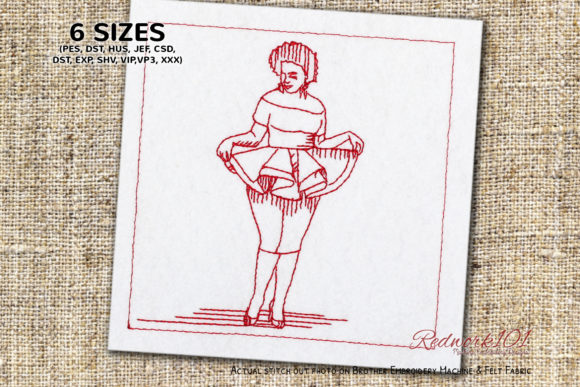
The name African Angel Lineart suggests a design with elegance and cultural resonance. This lineart style typically leans towards a clean, graphic, and modern feel, which is a fantastic starting point for business use. It avoids overly decorative complexity, aiming instead for a look that can be perceived as both professional and friendly. This balance is crucial for small businesses like cafés, boutique shops, creative studios, or handmade brands looking for an emblem that feels premium without being overly formal.
The description notes it’s “easy to stitch,” which is a significant practical advantage for apparel decorators and craft businesses. A design with manageable stitch counts and clear outlines means more consistent results across multiple items, from staff uniforms to customer merchandise, and often translates to lower production time and cost.
Evaluating African Angel Lineart for Real Business Applications
Let’s break down where this embroidery design could truly shine in your commercial embroidery projects and product lineup.
Primary Applications: Patches, Uniforms, and Branded Merch
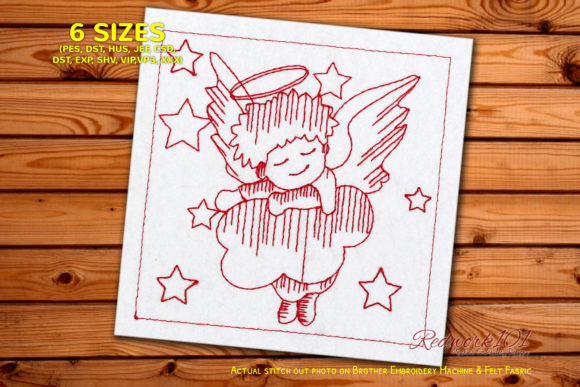
The lineart approach makes African Angel Lineart a strong candidate for embroidered patches. Patches are incredibly versatile for small business merch: they can be heat-pressed onto aprons for a bakery, sewn onto tote bags for a florist, or attached to work shirts for a pet brand. The potential “stitch box” mentioned, with its optional and variable color, could function as a neat border for a patch, framing the angel design and making it pop on custom apparel.
For cap embroidery and sleeve details on polo shirts, a clean lineart design often performs well on curved surfaces if the stitch density is appropriate. It could serve as a subtle yet recognizable chest logo accent for a boutique’s staff, adding a touch of handmade presentation to their uniforms.
Secondary Applications: Product Labels and Customer Gifts
Think beyond apparel. This design could be beautifully scaled down for use as a branded product add-on. Imagine it embroidered onto the corner of a tea towel for a café’s retail section, or onto a small patch affixed to the packaging of a handmade soap. For Etsy sellers and merch creators, it offers a ready-made asset for creating cohesive brand identity across different products, from event merch to customer gifts like embroidered pouches or notebooks.
Important Considerations and Careful Use Cases
While the potential is high, practical embroidery designer experience dictates a few areas where you should apply African Angel Lineart carefully.
First, small patch sizes and applications like cap fronts require excellent clarity. Before mass production, test the design at the intended small size. Lineart relies on outlines; if they are too thin or detailed at a reduced scale, they might lose definition or become too dense, affecting durability on items needing frequent washing.
Thread color contrast is paramount. On dark uniforms or tote bags, you’ll need to choose thread colors that stand out against the fabric background. The description mentions the outer box color can differ, which is a useful customization point for ensuring high contrast. Always test on a scrap of the actual fabric texture you plan to use—the results on canvas for a tote bag will differ from those on twill for a cap.
Also, pay attention to spacing within the design itself. Good spacing prevents thread buildup in small areas, which can lead to stiffness or puckering, especially on lighter fabrics used for product labels or apron embroidery.
Impact on Brand Identity and Customer Perception
Choosing the right embroidery design for your small business merch is more than decoration; it’s a strategic branding decision. A well-executed African Angel Lineart on your products communicates visual consistency. Customers visiting your handmade shop or studio will subconsciously associate the recurring, professional-looking emblem with quality and attention to detail.
This builds customer trust and aids in recognition. A customer who receives a beautifully embroidered tote bag with your angel design is more likely to remember and re-engage with your brand. For product designers and craft businesses, it elevates the perceived value of the finished product, turning a simple cap or apron into a branded, premium item.
Practical Designer Notes Before You Begin Production
To ensure success with this digital embroidery file for your commercial projects, follow these standard professional steps.
- Test in Black and White First: Run a sample using a single high-contrast thread color. This reveals the pure structure of the lineart without color distractions, highlighting any potential issues with outline integrity.
- Create a Printable Mockup for Client Approval: If you’re an embroidery shop producing for another business, always provide a visual mockup. This confirms placement and size on the intended item like a work shirt or apron.
- Confirm Hoop Size and Stabilizer Needs: While specifics aren’t provided here, you must check the required hoop size for the design file and match it to your item. Using the proper stabilizer for the fabric is non-negotiable for clean results.
- Compare Beside Other Brand Assets: Place a stitch-out of the angel design next to your other logos or graphics. Does it maintain a cohesive visual personality with your brand’s overall style?
- Confirm Commercial Licensing: Before using any embroidery file for business merchandise, verify the license terms allow for commercial embroidery use. This is a critical, often overlooked step.
In summary, African Angel Lineart presents a compelling option for small businesses seeking a versatile, elegant, and stitch-friendly design. Its lineart foundation offers adaptability across patches, uniforms, and branded merchandise, potentially strengthening your brand identity with a clean, professional touch. By applying practical embroidery knowledge and testing thoroughly on your specific fabrics and items, you can transform this digital file into a valuable, enduring asset for your handmade product line or commercial embroidery service.