Camping Lighter Hand Sanitizer Holder: A Designer's Review
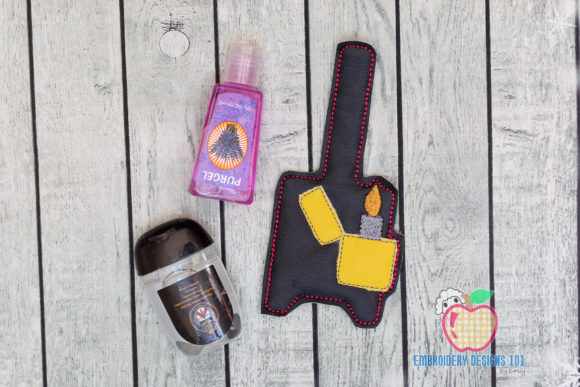
From my workbench, surrounded by samples for the next craft fair, I'm looking at a new design: the Camping Lighter Hand Sanitizer Holder. As a professional embroidery designer, my first job is to judge a design not just for its artistry, but for its real-world potential as a sellable product. Let’s walk through this evaluation together, focusing on how this embroidery file translates into items for a handmade market booth.
First Impression: Clever, Rustic, and Immediately Understandable
The title tells you everything. This is a clever, rustic design that combines two very recognizable items: a camping lighter and a hand sanitizer bottle. That immediate understanding is gold at a busy craft fair. Customers glance at a tote bag or an apron and instantly get the playful, practical concept. It feels nostalgic and modern at once—a bit of camping humor applied to a everyday item. It’s not overly cute or farmhouse; it’s more of a straightforward, graphic design with strong visual appeal. This bold, clear imagery is a major advantage for quick customer engagement.
Where This Design Stands Out on the Craft Fair Table
Imagine my typical display: embroidered tote bags, aprons, tea towels, patches, caps, and small pouches. The Camping Lighter Hand Sanitizer Holder would act as a focal point among more generic patterns. On a solid-color market bag or a simple canvas apron, this design pops. It tells a story. It would naturally attract the eyes of customers who appreciate functional, outdoorsy themes or who simply enjoy a witty twist. In a booth sample—a real, physical item you’ve made—it demonstrates handmade quality and clever thinking, elevating your entire brand’s perceived value.
Performance Across Different Products
Let’s break down how this embroidery file performs on various craft fair products.
Tote Bags, Market Bags, and Aprons
This is where the Camping Lighter Hand Sanitizer Holder shines. The scale is perfect for a large, central motif on a bag or the pocket of an apron. The design is graphic enough to remain clear and striking even from a distance across your booth. On these items, it feels premium and decorative, adding significant perceived value to a basic canvas product.
Kitchen Towels and Tea Towels
On a textured kitchen towel, you must consider stitch density and fabric. The design’s solid areas, like the lighter body, will need proper stabilizer to look crisp. If executed well, it becomes a fantastic giftable item—a fun, functional tea towel embroidery that stands out from typical floral or phrase designs.
Caps and Patches
Here we enter careful-use territory. Embroidering on the curved surface of a cap requires testing. Small lettering or extremely tiny details in this design might lose clarity when reduced for a cap front. As an embroidered patch, however, it could be superb. A Camping Lighter Hand Sanitizer Holder patch appeals directly to a niche audience and can be sold as a standalone product or applied to customer gear.
Small Pouches and Pillow Covers
For a small fabric pouch, it could serve as a delightful accent. On a pillow cover, it would become a bold, humorous statement piece. In both cases, the design’s repeatability is key—can you batch-produce it efficiently? The clear, defined shapes suggest yes, provided the stitch count isn’t prohibitively high.
Critical Production Points for the Embroidery Business Owner
Selling this as a finished product or as a digital embroidery file requires practical checks.
Stitch Density and Fabric Compatibility
Without knowing the exact stitch count, I advise testing on scrap fabric first. Dense stitch areas on dark fabric will need good thread contrast. Textured towels or thick canvas might require specific stabilizer choices. Always create at least one real mockup on the actual product fabric you plan to sell. This reveals any issues with puckering or detail loss.
Hoop Size and Design Scaling
The description mentions "IN THE HOOP," but hoop size is crucial. Confirm the required hoop size before production. Consider how the design scales. Does it maintain its charm and clarity at a smaller size for a cap, or does it need to be large to retain its impact? This affects your product range planning.
Photography and Online Sales Potential
For Etsy sellers and digital sellers, how this design photographs is vital. The graphic nature of the Camping Lighter Hand Sanitizer Holder should make it easy to photograph well for listings. It creates clear, attractive printable mockups. This is a strong advantage for online sales and marketing with design assets.
Commercial Licensing and Batch Production
A final, essential note: always confirm the commercial licensing terms for the embroidery file before selling finished products. For batch production at a craft fair, the design’s repeatability looks good—it’s not overly complex with thousands of color changes, which suggests efficient production. This makes it a viable small shop product.
Final Judgment: A Strong Niche Design with Broad Appeal
The Camping Lighter Hand Sanitizer Holder is a strong contender for your handmade product line. It taps into a specific camping niche while remaining broadly understandable and appealing. It adds visual appeal and customer attention to standard items like tote bags, transforming them into conversation starters. For booth display strength, a well-executed sample immediately communicates creativity and quality, driving buyer engagement.
My recommendation is to proceed with cautious enthusiasm. Test it thoroughly on your chosen substrates. Check thread colors against your fabric palette. Review spacing and detail clarity. But once validated, this design has the potential to be a standout, sellable embroidery design at your next weekend craft fair, offering both fun and function in a single, clever stitch.