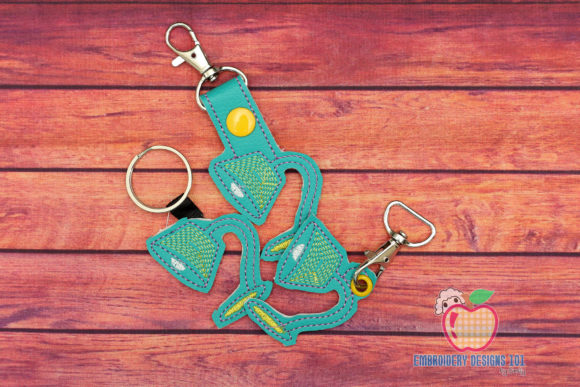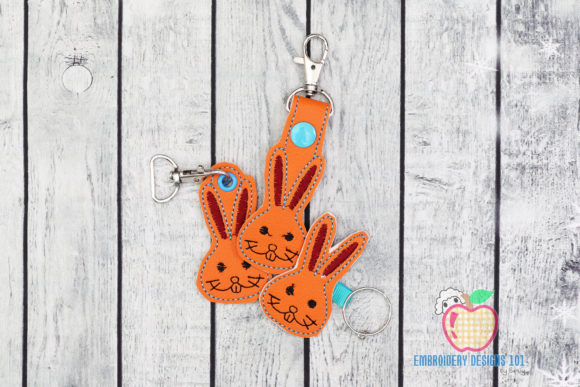
Long Ear Bunny Snaptab Keyfob Embroidery Design Review
As an embroidery designer preparing for a weekend craft fair, my first task is to evaluate each design not just for its artistic appeal, but for its real-world selling power. The Long Ear Bunny ITH Snaptab Keyfob Design immediately strikes a chord. The title conjures an image of a cute, whimsical character, perfect for adding that personality mentioned in the description. This design feels playfully cute and softly decorative, leaning into a timeless, gentle aesthetic rather than bold or modern. For a seasonal event like an Easter-themed booth or a spring market, this mood is a significant advantage.
Where This Bunny Design Stands Out on the Craft Fair Table
Visualizing my booth display—tote bags, aprons, tea towels, caps, and small giftable items—I consider placement. A keyfob-specific design like this might seem niche, but its true potential is as a versatile motif. On a tote bag or a market bag, this bunny becomes a charming, subtle focal point. On a tea towel or apron, it injects a touch of springtime joy without overwhelming the functional item. Its greatest strength, however, may be on smaller handmade gifts: fabric pouches, pillow covers for a child’s room, or as a standalone embroidered patch. At a craft fair, customers often look for unique, quick-to-grasp designs. The “long ear bunny” concept is instantly understandable and emotionally appealing, likely drawing eyes from a few feet away.
Practical Performance on Key Products
Moving from theory to production, I assess how the Long Ear Bunny ITH Snaptab Keyfob Design will perform on various craft fair products.
For tote bag design or apron embroidery, the design likely works best as a medium-sized accent. If the bunny includes very fine details or small lettering (common in “snaptab” or keyfob contexts), these might lose clarity on textured fabrics like canvas or linen. A test on scrap fabric is crucial.
Tea towel embroidery presents a specific challenge: the loose weave can distort small details. This bunny design, if it has dense stitch areas for shading, will require excellent stabilizer choice to prevent puckering.
On caps or curved surfaces, the design’s shape must be considered. Long, elegant ears might curve gracefully on a cap, but if the design is too tall, hooping becomes tricky. Knowing the exact hoop size required is essential before batch production.
For dark fabric, which is popular for modern tote bags, thread contrast is vital. A design described as “adorable” often uses lighter threads; testing on dark scraps confirms whether it pops or gets lost.
Photographing for Online and In-Person Appeal
Whether for Etsy listings or printable mockups for my booth signage, this design’s visual appeal affects perceived value. A cute, clean bunny photographes well, suggesting handmade quality. However, if the design is overly complex with many colors, it may look busy in small online thumbnail images. For my craft fair table, creating at least one real mockup on a premium product, like a soft pillow cover or a neat fabric pouch, demonstrates the finished product quality and builds brand consistency. A customer touching a well-embroidered bunny on a nice cotton pouch feels the value.
Production Considerations for Batch Selling
When preparing for a fair, I need designs that are repeatable for batch production. The Long Ear Bunny design seems promising if its stitch count is reasonable and it doesn’t require constant thread color changes. High stitch density can slow production and wear machine needles faster. Since the product description notes it comes with multiple embroidery file formats, I must ensure my machines support the provided formats for efficient stitching.
A key practical point: the description mentions it “can be used with multip…” which I interpret as multiple products. This versatility is excellent. But I must check spacing and layout. For a keyfob, the design might be centrally oriented, but for a tote bag, I might need to reposition it. Having the design files allows for this flexibility, vital for creating a cohesive small shop product line.
Critical Steps Before Hooping the First Product
- Test on scrap fabric identical to your final product material—textured towel, smooth bag cotton, cap fabric.
- Check thread contrast on both light and dark backgrounds to ensure the design reads well.
- Review spacing and design size relative to your intended hoop. Does it fit as intended on a 4x4 hoop for a patch, or a 6x10 for a tote?
- Inspect stitch density in the file preview. Are there large filled areas that could pucker or require excessive stitching time?
- Use the right stabilizer for the fabric. A cutaway for bags, a tearaway for towels—this makes or breaks the final look.
- Compare fabric colors in your inventory. Which colors make the bunny design sing? Pastels for spring, crisp white for a classic look.
- Confirm commercial licensing before selling finished products. The description doesn’t specify terms; I must verify my right to use this digital embroidery file for commercial embroidery products sold at the fair.
Final Craft Fair Booth Strategy for This Design
The Long Ear Bunny ITH Snaptab Keyfob Design has strong potential to drive customer attention and buyer engagement at a spring or Easter event. To maximize this, I would focus it on products that feel giftable and personal.
A small, beautifully made keyfob or zipper pouch with this embroidery can be priced as an impulse buy. A larger pillow cover showcases the design’s charm as a decorative item. Displaying these items together, perhaps with a complementary color theme, creates booth display strength. The design’s inherent cuteness encourages smiles and conversations—a key sales driver at handmade markets.
In essence, this machine embroidery design is more than a file; it’s a springboard for creating products that feel special and handmade. By carefully selecting the right products, testing thoroughly, and ensuring production efficiency, this bunny can hop right off my craft fair table and into a customer’s hands.