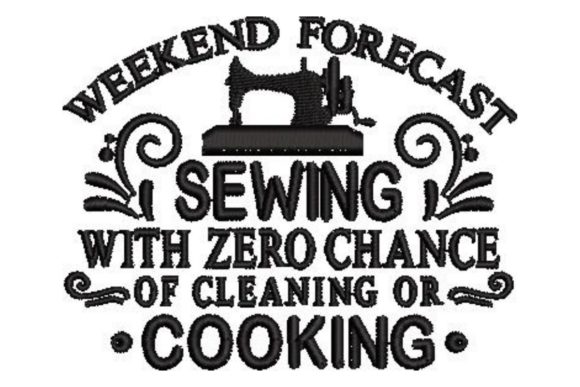
Weekend Forecast Sewing with Zero: A Practical Design Review
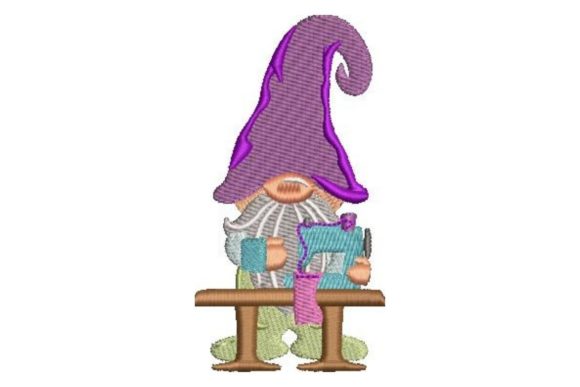
As someone who stitches professionally for clients and my own craft business, I approach every new embroidery design with a critical, practical eye. It’s not just about whether it looks pretty on the screen; it’s about how it will perform on real fabric, how it will elevate a finished product, and whether it justifies the time and materials. Here’s my honest, hands-on evaluation of the Weekend Forecast Sewing with Zero machine embroidery design.
First Impressions: Where This Design Belongs
My immediate take is that this design has a clean, modern, and slightly whimsical personality. The name itself, Weekend Forecast Sewing with Zero, suggests a theme of relaxed creativity—a perfect mood for hobbyists and makers. Visually, it feels like it belongs on items meant for personal use, gift-giving, or boutique-style merchandise. It’s not overly ornate, which is a strength. It should translate into stitching with good clarity, avoiding the pitfalls of overly dense areas that can pucker thinner fabrics.
This isn’t a design I’d automatically choose for corporate branding, but for a custom tote bag for a fellow crafter, a personalized kitchen towel for a sewing enthusiast, or a lightweight sweatshirt for a small shop’s holiday line, it feels perfectly targeted. Its aesthetic is approachable and friendly, which is a key value for handmade products.
Real-Life Scenario: Preparing a Boutique Tote Bag
Let’s walk through a typical use case. Imagine I’m preparing a batch of embroidered canvas tote bags for my Etsy shop or a craft fair. I want a design that speaks to a creative customer, adds value without overwhelming the fabric, and stitches out reliably. I load the Weekend Forecast Sewing with Zero file.
My first concern is always fabric texture. Canvas is forgiving, but the design’s detail level and any potential small lettering need to be crisp. I’d plan to test on a scrap piece first, using a sturdy stabilizer, to see how the fill stitches and any satin stitch elements behave. The “Sewing with Zero” text component is intriguing—if it’s included, its size will be crucial. Tiny lettering on a tote bag can lose definition. This practical test would tell me if I need to adjust hoop size or even consider simplifying the design for this specific application.
The finished look on the tote would, I suspect, be charming. It would feel like a specialty item, not a generic mass-produced bag. That’s the kind of visual appeal that builds customer trust and justifies a higher price point for a handmade product.
Performance Across Different Projects
The product description says it’s perfect for sewing onto any kind of fabric. In real embroidery work, that’s a generous claim that requires careful interpretation.
Strong Candidates for This Design
For custom apparel like mid-weight sweatshirts or t-shirts, this design could work well if the stitch density is moderate. It could become a great personalized gift. For home decor items like pillow covers or aprons, it’s a natural fit, adding a touch of personality to functional items. Baby clothes or nursery decor items would need extra care—the fabric is often thinner, so stabilizer choice is paramount. As a potential embroidered patch, its theme makes it a fun, standalone accessory.
Where to Exercise Caution
Some applications demand more scrutiny. Stretchy fabrics like certain knit caps require specific stabilizers and possibly design adjustments to prevent distortion. Dark fabric backgrounds necessitate thoughtful thread color choices for contrast—a test on black scrap fabric is essential. Curved surfaces like baseball caps can challenge the layout; not every design hoops well on a small, curved area.
Also, consider products that need frequent washing, like tea towels. A robust, locked stitch construction is vital for longevity. Without knowing the exact file details, I’d advise checking the stitch types used in the design’s smaller elements.
Impact on Your Craft Business or Creative Project
Using a design like this isn’t just about decoration; it’s about communication. For a small shop product, it conveys a specific, craft-aware vibe that can attract a niche audience. For a personalized gift, it adds a layer of thoughtful, custom meaning that generic store-bought items lack.
The stitching clarity directly affects product value and professionalism. A clean, well-executed embroidery job with a coherent design like this enhances your brand consistency if you’re selling multiple items. It feels intentional. For digital product sellers offering the file itself, providing clear notes on recommended applications based on your own tests would be a valuable service to your buyers.
Practical Designer Notes Before You Stitch
Before you commit this design to a client’s jacket or a batch of holiday gifts, here’s my standard pre-flight checklist. These steps turn a good design into a great finished product.
- Always test on scrap fabric first. Use the same material and stabilizer you plan for the final project. This reveals any issues with stitch density or tension.
- Check thread color contrast. Run tests on both light and dark backgrounds if you plan to use the design on various fabrics. Sometimes a screen preview doesn’t translate.
- Review the design in a black and white mockup. This helps you see the pure composition without color influence, focusing on shape and balance.
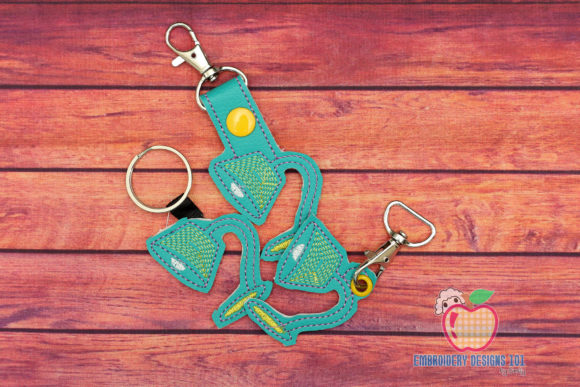
- Confirm the hoop size required. The product mentions multiple embroidery files, which often implies different sizes. Choose the one that suits your project’s scale without forcing tiny details into a large hoop or vice versa.
- Inspect small details closely in your test. Look for any corners or tiny elements that might be too dense or might require special attention during stitching.
- Use the proper stabilizer. This is the unsung hero of embroidery. Don’t guess—match the stabilizer to the fabric weight and stretch.
- Confirm licensing before selling finished items. This is critical for commercial embroidery or selling digital products. Ensure your use is covered.
The Final Stitch
In my practice, a design earns its place by proving itself on the machine and on the product. Weekend Forecast Sewing with Zero has the thematic charm and likely structural simplicity to be a reliable asset for a wide range of creative projects. Its true test will be in your hands—on your chosen fabric, with your careful preparation. When approached with this practical mindset, it can become more than just an embroidery file; it can become the centerpiece of a truly special handmade product, a memorable gift, or a standout item in your small business collection. Sew with confidence, but always sew with preparation.